The Tipping Debate
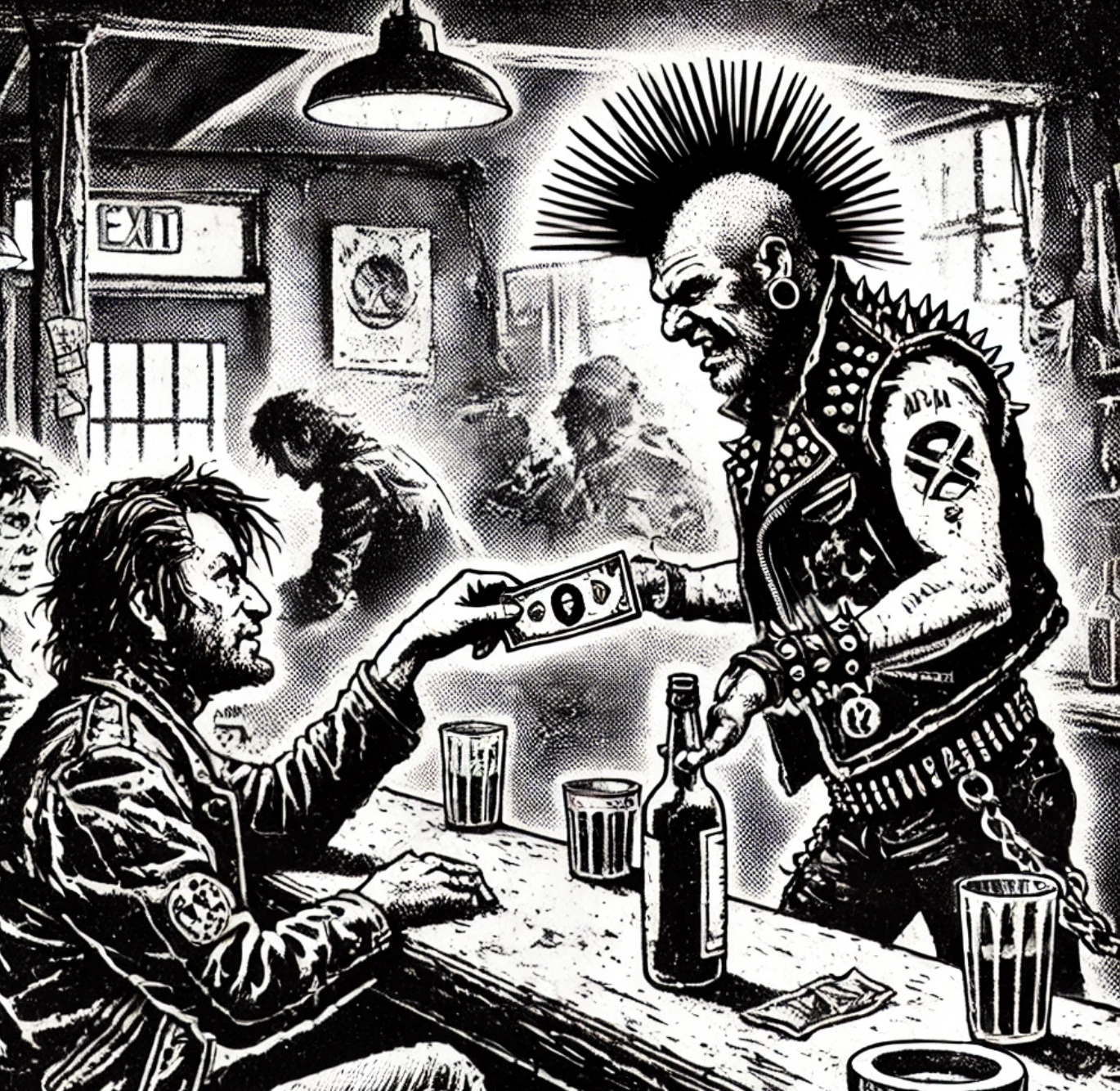
Imagine this. You're hunched over a weathered bar, the kind where the walls could tell stories if they weren't soaked in cheap bourbon. The bartender gives you the look. She knows if you're a good tipper, your drink might get a little heavier.
Tipping is about as American as a greasy diner burger at 3 a.m. But is it really a symbol of gratitude, or is it just another cog in the machine of inequality?
Supporters of tipping will tell you it gives servers an incentive to hustle. Want your beer on time? Throw a few extra bucks their way. Studies have suggested tipping can motivate better service. It's the carrot on the stick.
Then there's the obvious problem. The federal tipped minimum wage has been stuck at $2.13 an hour since 1991. Tips aren't just a bonus. For a lot of servers, they're the difference between paying the bills and falling behind. Customers end up subsidizing wages because employers don't.
Of course, the flip side is that a good night can be really fucking good. A packed Saturday or a high-end restaurant can turn an average shift into serious money. But it's still a gamble. Every shift is another spin of the roulette wheel.
Tipping has also become so ingrained in American culture that not tipping feels almost immoral. It's less of a choice and more of a social expectation.
Imagine working a job where you never know what your paycheck is going to look like. Your income depends on whether your tables are generous, cheap, drunk, angry, or just having a bad day. That's a hell of a way to make a living.
Cooks, dishwashers, and prep crew are the reason the food is worth eating in the first place, yet many of them never see a dime of those tips. The front of house gets the praise and the money while the back of house quietly busts their ass behind the scenes. That divide creates resentment and widens the pay gap inside the same restaurant.
Tipping also leaves plenty of room for bias. Studies have shown that servers can earn more or less based on gender, race, appearance, or age instead of the quality of their service. That's a pretty shitty system.
Some restaurants have tried to fix it by eliminating tipping altogether. Instead, they raise menu prices and pay everyone a livable wage. The goal is simple: make sure the entire team, not just the people carrying the plates, earns a fair living.
So where do you stand?
Do you keep tipping generously because it's the system we've all accepted? Or do you push for something better where someone's ability to pay rent isn't determined by the mood of a stranger ordering mozzarella sticks?
The next time you slide that bill across the bar, think about what that tip actually represents.
Is it gratitude?
Is it a lifeline?
Or is it just a Band-Aid slapped over a broken system?
Hell if I know.
I still tip 25% atleast if I am able (im a broke cook).